One of the most common questions I hear during facelift consultations is, “What does the recovery look like?”
While there are certain milestones in the healing process, many patients are surprised to learn that recovery is often smoother than they expected. While everyone heals differently, understanding what is normal during the healing process can make the experience much less stressful.
Postop Care: 5 Common Recovery Concerns After a Face and Neck Lift
Good postop care begins with knowing what to expect. Most concerns patients experience after a facelift and/or neck lift are temporary and improve steadily as the tissues heal and swelling decreases. As with anything surgical, this can take time and patience.
Here are the 5 more common complaints I hear during the recovery period and why they are a normal part of healing.
1. Difficulty sleeping
The most frequent concern after surgery has nothing to do with pain. It is sleep.
The surgery took a few hours and during that time they had a good “nap.” Patients often spend the first few nights getting back on their regular sleep schedule. During that time, they also have residual anesthesia effects. For the first 1-2 days, patients can expect to be a little foggy headed until the anesthesia has been eliminated from their system and their sleep schedule has normalized.
For the first few nights, patients are also instructed to sleep with their head slightly elevated. This helps reduce swelling those first few days. For patients who normally sleep with a single pillow, this can prevent them from sleeping less deeply. And for those who prefer to sleep on their side or stomach, this adjustment can be challenging since it recommended to sleep on their back during the first few weeks. This gradually improves as swelling decreases and restrictions are lifted.
A few extra pillows, a wedge pillow, or a recliner can make a significant difference during the early stages of postop care.
2. Tightness in the Face and Neck
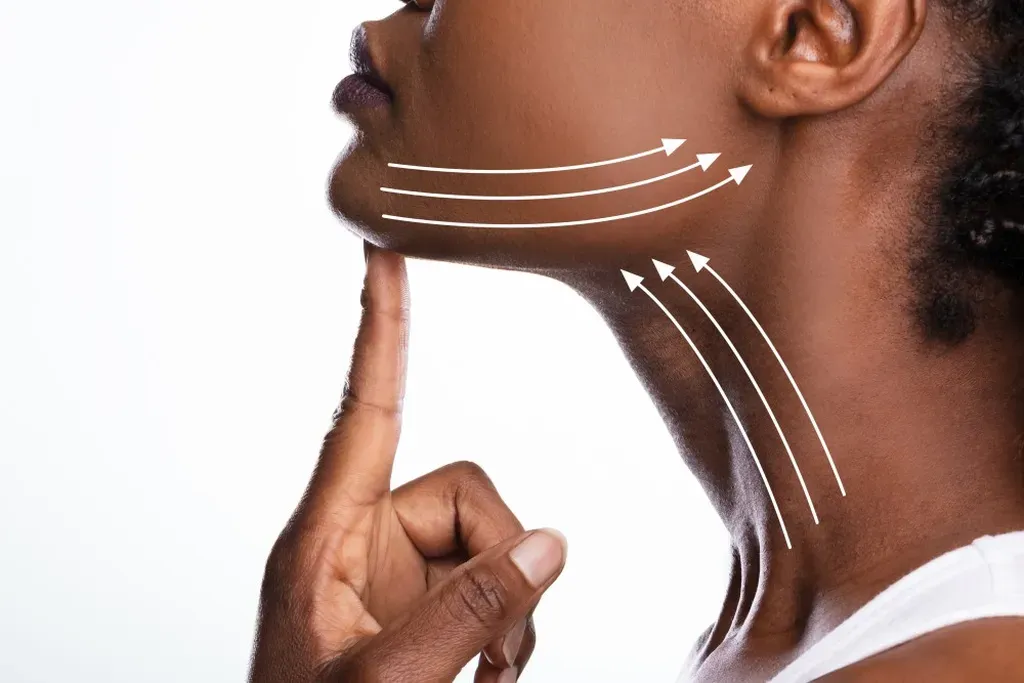
It is completely normal for the face and neck to feel tight after surgery.
During a deep plane facelift and neck lift, deeper tissues are repositioned and secured in an elevated position to improve facial contours. In addition to tissue repositioning, a numbing solution called tumescent is also injected into the face and neck to aid in the surgery. This solution causes additional expansion the tissues. As those tissues heal, patients often describe a sensation of tightness, fullness, or mild pressure.
This feeling is temporary and generally improves over the first several weeks. As the tissues heal, the swelling resolves and patients notice steady improvement as the tissues soften.
Proper postop care includes following activity restrictions and allowing the body adequate time to heal.
3. Difficulty Opening their Mouth
Many patients are surprised when they notice mild difficulty opening their mouth widely after surgery. The reason is simple. Swelling and tissue tightness around the cheeks, jawline, and neck temporarily limit movement.
As mentioned above, the deeper tissues are repositioned and secured in an elevated position. This is what help restore a youthful jawline. This can make eating large bites of food difficult. For this reason, it is generally recommended to adhere to a softer diet for the first few weeks allowing your body time to adjust. Essentially, your brain needs time to get used to the new tissue position – or get used to the “new normal” as we call it. Your body adjusts and doesn’t notice the tightness over time and normal range of motion returns naturally.
This is one of the most common questions that comes up during postop care visits and is typically short lived.
4. Neck Soreness and Stiffness
Neck soreness is extremely common after a neck lift.
Patients often describe the sensation as stiffness rather than pain. The reason? Not only are patient are sleeping in a new position but they also have a weakened neck muscle in the front. As with any muscle group in the body, when one muscle is weak, others compensate. So with a face and neck lift, the front of the neck is weak and the back neck muscles try to compensate and support the weakened muscles.
Turning the head may feel restricted, especially during the first week. Gentle movement, good posture, and following your surgeon’s recovery instructions all help improve comfort over time.
Most patients notice significant improvement within the first few weeks of postop care.
5. Numbness
Swelling is an expected part of recovery after facial rejuvenation surgery, but numbness may be something that wasn’t anticipated.
While most of the swelling improves during the first few weeks, numbness and tingling in the operative areas can take several months to resolve. Temporary numbness is also common, particularly around the ears, jawline, and neck. And if a brow lift is also performed, the numbness may extend to the top of the head. The small sensory nerves need time to recover after surgery.
All of this is a very normal part of healing. As part of routine postop care, I closely monitor each patient’s recovery and discuss expected timelines at every follow-up visit.
What IsN’t Normal During Recovery?
While most symptoms improve steadily, patients should contact their surgeon if they experience:
- Significant one-sided swelling
- Sudden increases in pain
- Fever
- Increased redness
- Persistent drainage from incisions
- Shortness of breath
- Leg pain
- Any symptom that feels concerning or unexpected
Clear communication is one of the most important aspects of successful postop care.
The Takeaway
Recovery after a face and neck lift is a process. As I tell my patients, nothing ever heals suddenly or symmetrically. The facelift postop care journey takes time, but most patients find that the healing experience is more manageable than they anticipated.
Understanding these top 5 postop care complaints before surgery helps patients feel more prepared and confident throughout the healing process. The goal of excellent postop care is not just a beautiful result. It is helping patients feel informed, supported, and comfortable every step of the way.
If you’re ready to start your facelift journey, schedule a consultation with our board-certified surgeon, Dr. Emily Johnson.
Text or call 817-290-9900.