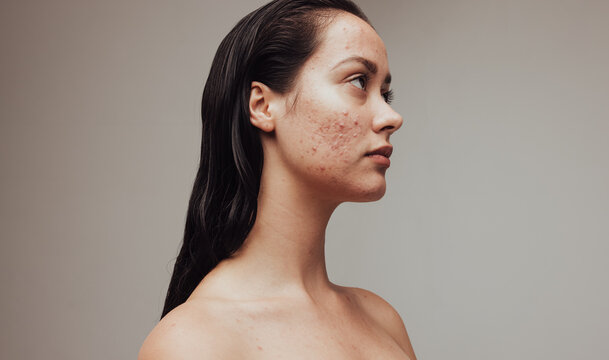
Acne is a complex inflammatory skin condition influenced by multiple factors, including hormones, genetics, oil production, skincare habits, and the overall health of your skin barrier.
The good news is that acne is treatable. With the right combination of medical-grade skincare, professional treatments, and consistency, clearer and healthier skin is possible.
Understanding Acne Starts Here
If you have ever felt frustrated by breakouts that seem to appear at the worst possible time, you are not alone. Acne is one of the most common skin concerns I see as a medical esthetician, and it affects far more than just teenagers. While many people associate acne with adolescence, adult acne is extremely common and can continue into your 20s, 30s, 40s, and beyond.
One of the biggest misconceptions about acne is that every breakout should be treated the same way. The truth is, acne is not one single condition. There are several different types, and each type develops for different reasons and responds differently to treatment.
A skincare product that works beautifully for one person may cause irritation or provide little improvement for another. Understanding the type of acne you are experiencing is the first step toward choosing the right ingredients, creating an effective skincare routine, and developing a treatment plan that supports long term skin health.
As a medical esthetician, one of the most important things I remind patients is that acne is not a reflection of poor hygiene or something you caused by doing something wrong. Learning what type you have, why it’s happening, is one of the most important steps toward finding a treatment plan that actually works and achieving healthier, clearer skin.
What Is Acne?
Breakouts develop when pores become clogged with oil, dead skin cells, and debris. Inside each pore is a sebaceous gland that produces sebum. The natural oil that helps keep your skin hydrated and protected.
When the skin is functioning properly, sebum travels through the pore and reaches the surface without causing issues. Problems begin when excess oil combines with dead skin cells and creates a blockage inside the pore.
This clogged pore can then become inflamed as bacteria naturally found on the skin contribute to irritation, leading to the different types of acne we recognize, including blackheads, whiteheads, pimples, and deeper inflammatory breakouts.
While bacteria can play a role in acne development, acne is not caused by having “dirty skin.” In fact, aggressively cleansing, scrubbing, or stripping the skin can often make acne worse by disrupting the skin barrier and increasing inflammation.
A successful acne treatment is not about drying out every blemish. It’s about understanding what your skin needs, reducing inflammation, keeping pores clear, supporting the skin barrier, and preventing future breakouts.
Quick Acne Identification Guide
| Acne Type | What It Looks Like | Common Areas | Painful? | Common Treatment Ingredients |
| Closed Comedones | Small white or skin colored bumps | Forehead, cheeks, chin | No | Salicylic acid, retinoids |
| Open Comedones | Dark clogged pores (blackheads) | Nose, forehead, chin | No | Salicylic acid, retinoids |
| Papules | Red inflamed bumps without a head | Face, chest, back | Mild | Benzoyl peroxide, azelaic acid |
| Pustules | Pimples with a white or yellow center | Face and body | Yes | Benzoyl peroxide, sulfur |
| Nodules | Deep, firm painful bumps | Jawline, cheeks | Very | Professional treatment, prescription options |
| Cystic Acne | Large painful lesions beneath skin | Lower face, jawline | Very | Medical evaluation, retinoids, benzoyl peroxide |
| Hormonal Acne | Recurring deep breakouts | Chin, jawline, neck | Yes | Retinoids, azelaic acid |
| Fungal Acne | Small itchy uniform bumps | Forehead, chest, back | Usually itchy | Antifungal treatments |
| Acne Mechanica | Breakouts caused by friction/sweat | Areas of pressure | Mild | Salicylic acid, benzoyl peroxide |
What Causes Breakouts?
Acne is usually caused by a combination of factors rather than one single trigger. Understanding what contributes to breakouts can help you create a routine that works with your skin instead of constantly fighting against it.
Hormonal Changes
Hormones are one of the most common contributors to breakouts. Fluctuations can increase oil production and inflammation, making pores more likely to clog. Breakouts often appear along the chin, jawline, and neck and may flare during certain times of the month. Hormonal changes related to menstrual cycles, pregnancy, postpartum, perimenopause, menopause, stress, and conditions such as PCOS can all contribute.
Excess Oil Production
Oil itself is not the enemy. Healthy sebum helps protect and moisturize the skin. However, excess oil can combine with dead skin cells and create congestion inside the pore.
When oil and buildup become trapped, it creates the perfect environment for acne to develop.
Dead Skin Cell Buildup
Skin naturally replaces itself every day, but that process can slow with age, hormones, certain skin conditions, or an impaired skin barrier. As dead skin cells accumulate, they can clog pores and contribute to breakouts.
Genetics
Some people are naturally more prone because of genetics. If your parents struggled with acne, you may have a higher likelihood of experiencing similar concerns due to inherited differences in oil production, inflammation response, and how your skin sheds cells.
Stress
Stress does not directly cause breakouts in every person, but it can contribute. Increased stress hormones may influence oil production, inflammation, and behaviors that impact the skin, such as disrupted sleep, touching the face more often, or falling out of a consistent skincare routine.
Skincare and Makeup Products
Products that are too heavy, irritating, or not compatible with your skin type can contribute to clogged pores and inflammation. This does not mean every oil or moisturizing ingredient is bad for acne prone skin. It means your routine should be personalized based on your skin’s needs and concerns.
Damaged Skin Barrier
One of the most common mistakes I see is treating breakouts too aggressively. Using too many active ingredients, over exfoliating, or skipping moisturizer can weaken the skin barrier. A healthy barrier helps reduce irritation, supports healing, makes it easier to manage breakouts and maintain balance to properly protect itself.
Understanding the Different Types of Acne
Not all acne looks the same, and this is one of the most important things to understand when creating an effective treatment plan.
Many people try product after product because they are treating their breakout based only on appearance instead of understanding what is happening beneath the skin.
It can range from mild congestion, such as whiteheads and blackheads, to deeper inflammatory breakouts that may require professional treatment. Identifying your type of acne helps determine which ingredients may improve your skin and which products may cause unnecessary irritation.
The sections below explain the most common types, how to recognize them, why they develop, and what ingredients can help.
Closed Comedones (Whiteheads): Causes, Signs, and Treatment
Closed comedones, or whiteheads, develop when a pore becomes clogged and remains closed. Because the pore isn’t exposed to oxygen, the buildup stays white or flesh-colored instead of turning dark like a blackhead.
Whiteheads commonly appear as small, flesh-colored bumps on the forehead, cheeks, chin, or jawline. While they usually aren’t painful, they can make the skin feel rough and affect how makeup sits.
They’re often linked to excess oil, slower skin cell turnover, hormones, genetics, or products that are too heavy for your skin type. Avoid scrubbing them, as harsh exfoliation can cause more irritation than improvement.
Best Ingredients for Closed Comedones
- Salicylic acid is one of the most beneficial ingredients for clogged pores because it’s oil soluble, allowing it to penetrate into the pore. It helps dissolve congestion and prevent new blockages from forming.
- Retinoids are important because they help regulate skin cell turnover and prevent dead skin cells from becoming trapped inside the pore.
- Niacinamide can help support the skin barrier, reduce inflammation, and can help regulate excess oil production.
- Mandelic Acid helps gently exfoliate the skin, improve cell turnover, and reduce clogged pores with less irritation on sensitive skin.
Consistency is key with closed comedones. Improving congestion takes time, and the goal is to create healthier pores rather than aggressively strip the skin.
Open Comedones (Blackheads): Why They Form and How to Treat Them
Blackheads, also known as open comedones, are a form of non-inflammatory acne that develops when oil and dead skin cells clog a pore that remains open. Because the pore is exposed to oxygen, the trapped buildup oxidizes and turns dark. The dark color isn’t dirt, so scrubbing harder won’t remove the cause of blackheads.
Blackheads commonly appear on the nose, forehead, chin, and cheeks, where oil production is typically higher. Although they aren’t usually painful, they can make pores appear larger, contribute to uneven skin texture, and may progress into inflammation if left untreated.
Best Ingredients for Blackheads
- Salicylic acid is one of the best ingredients for blackheads because it can penetrate inside the pore and break down excess oil buildup.
- Retinoids help prevent future blackheads by improving skin cell turnover and reducing the chance of dead skin cells becoming trapped.
- Niacinamide can support oil regulation and improve the overall appearance of pore size.
- Clay based products can absorb excess oil from the surface of the skin. However, overuse of the product can lead to dryness and irritation.
While pore strips and at home extractions may provide temporary improvement, they do not address why blackheads are forming. Long term improvement comes from keeping pores clear consistently.
Papules: Red, Inflamed Acne Bumps Beneath the Skin
Papules are one of the first stages of inflammatory acne. Unlike whiteheads and blackheads, which are primarily caused by clogged pores, papules develop when inflammation occurs inside the pore. They appear as small, raised, red bumps that may feel tender but do not have a visible white or yellow center.
Papules commonly occur on the face, chest, shoulders, and back. Unlike pimples with a visible head, there is usually nothing to extract. Trying to squeeze or pop them can push inflammation deeper into the skin, increasing the risk of redness, dark marks, and scarring.
Best Ingredients for Papules
- Benzoyl peroxide is a helpful ingredient for inflammatory acne because it reduces acne causing bacteria while calming inflammation.
- Azelaic acid is beneficial because it helps calm inflammation, reduce redness, and improve post inflammatory hyperpigmentation.
- Niacinamide supports the skin barrier and can help reduce irritation when using stronger ingredients.
- Mandelic Acid provides gentle exfoliation while helping reduce inflammation and congestion.
The key with papular, is finding balance. Treating inflammation is important, but maintaining healthy skin is equally important.
Pustules: Inflamed Pimples With a White Center
Pustules are the type of breakouts most people picture when they think of a pimple. They appear as red, inflamed bumps with a visible white or yellow center and can develop anywhere on the face or body.
Although they may look ready to pop, squeezing pustules can push inflammation deeper into the skin, increasing the risk of scarring and post-inflammatory hyperpigmentation. It’s best to let them heal or have them treated professionally when appropriate.
Best Ingredients for Pustules
- Benzoyl peroxide is often recommended because it helps reduce bacteria and inflammation.
- Salicylic acid helps prevent additional clogged pores from forming.
- Sulfur is helpful as a spot treatment because it absorbs oil and calms inflammation.
- Azelaic acid supports healing by reducing redness and discoloration left behind after breakouts.
When treating pustular acne, the goal is not just to dry out the current breakout. It is to prevent the cycle of clogged pores and inflammation from continuing.
Nodular Acne: Deep, Painful Breakouts Beneath the Skin
Nodular is a severe form of inflammatory acne that develops deep beneath the skin. Unlike whiteheads, blackheads, and pustules, nodules feel like large, firm bumps that are often painful or tender and can take weeks, or even months, to fully heal.
They commonly appear along the jawline, cheeks, lower face, chest, shoulders, and back. Because nodules develop so deeply, over the counter products and spot treatments often aren’t enough, getting an evaluation by a professional Dermatologist is recommended. Treatment may include medical grade skincare, prescription options, hormonal evaluation, or a combination approach.
Prescription treatments that may be recommended:
- Topical retinoids (tretinoin, adapalene, tazarotene)
- Oral antibiotics (short term use)
- Spironolactone (for hormonal driven acne)
- Cortisone injections (for painful nodules)
Best Ingredients for Nodular Acne
- Retinoids can help regulate skin cell turnover, prevent clogged pores, and reduce future breakouts.
- Benzoyl peroxide may help reduce inflammation and bacteria when used as part of a larger treatment plan.
- Azelaic acid can help calm inflammation and improve redness or discoloration.
Avoid trying to squeeze or extract nodules. Since they form deep within the skin, attempting to force them out often creates more inflammation and increases the risk of permanent scarring.
Cystic Acne: Severe Inflammatory Acne With a Higher Risk of Scarring
Cysts are one of the most severe forms. They develop deep beneath the skin, creating large, swollen, painful breakouts that can last for weeks and often leave behind scars or post-inflammatory hyperpigmentation.
They commonly occur along the jawline, chin, cheeks, and lower face and often returns in the same areas. It’s influenced by hormones, genetics, excess oil production, and inflammation. While bacteria can play a role, cystic acne is primarily driven by inflammation beneath the skin rather than poor hygiene or simply having “too much bacteria.”
Skincare can support cysts, but deeper inflammatory breakouts often require a combination approach with prescription treatments.
Prescription treatments may include:
- Topical retinoids tretinoin, adapalene, tazarotene
- Spironolactone for hormonal influences
- Oral antibiotics short term use
- Isotretinoin (Accutane) for severe or persistent breakouts
Best Ingredients and Treatments for Cystic Acne
- Retinoids help prevent clogged pores and support healthy skin cell turnover.
- Benzoyl peroxide may reduce bacteria and inflammation.
- Azelaic acid can help calm redness and improve discoloration left behind after cysts heal.
For persistent cystic acne, professional guidance is often recommended. Treatment may include medical grade skincare, professional treatments, prescription medications, or collaboration with a dermatologist or medical provider.
The earlier it’s addressed, the better the chance of minimizing long term scarring.
Hormonal Breakouts: Why Adults Still Experience
Hormonal breakouts are one of the most common concerns I see in adult patients that can occur well beyond the teenage years. It develops when hormonal fluctuations increase oil production and inflammation, making pores more likely to clog.
These breakouts typically appear along the chin, jawline, lower cheeks, and neck, often returning in the same areas or more active around certain times of the month. Common triggers include menstrual cycles, pregnancy, postpartum changes, perimenopause, menopause, stress, and conditions such as PCOS.
How to Recognize Hormonal Acne
Common signs include:
- Deep, tender breakouts
- Recurring pimples in the same areas
- Breakouts concentrated along the lower face
- Acne that develops suddenly in adulthood
- Flares that follow hormonal patterns
While hormonal acne can affect anyone, it is especially common among adult women because hormone fluctuations continue throughout different stages of life.
Best Ingredients for Hormonal Acne
- Retinoids help prevent clogged pores and improve overall skin texture.
- Salicylic acid helps reduce congestion inside the pore.
- Azelaic acid helps calm inflammation while improving discoloration left behind from previous breakouts.
- Niacinamide supports the skin barrier and helps regulate oil without excessive dryness.
For some patients, skincare alone may not fully address hormonal acne. Persistent or painful breakouts may require additional support from a healthcare provider.
Acne Mechanica: When Friction, Heat, and Sweat Trigger Breakouts
Acne mechanica develops from repeated friction, pressure, heat, or irritation against the skin. It commonly affects athletes and active individuals but can occur in anyone. Breakouts typically develop on the forehead, shoulders, chest, and back.
Common causes include:
- Tight workout clothing
- Helmets or protective equipment
- Hats and headbands
- Face masks
- Backpack straps
- Sweat left on the skin after exercise
How to Prevent Acne Mechanica
Helpful habits include:
- Showering after workouts
- Changing out of sweaty clothing quickly
- Washing hats, helmets, and workout equipment regularly
- Choosing breathable fabrics
- Avoiding prolonged pressure on acne prone areas
Best Ingredients for Acne Mechanica
- Salicylic acid helps prevent clogged pores.
- Benzoyl peroxide may help when bacteria and inflammation contribute.
- Retinoids support healthy skin turnover and help prevent future congestion.
Removing the source of friction is key to improving acne mechanica.
Fungal Acne: Why It Is Commonly Confused With Traditional Acne
Although it’s commonly called “fungal acne,” this condition isn’t actually acne. The medical term is Malassezia folliculitis, and it occurs when an overgrowth of yeast that naturally lives on the skin causes inflammation around the hair follicles.
Because it closely resembles acne, it’s often misdiagnosed, and traditional treatments will not improve it. Identifying the correct cause is important since folliculitis requires a different treatment approach.
How to Recognize Fungal Acne
Common signs include:
- Small, uniform bumps
- Breakouts that look nearly identical in size
- Itching or irritation
- Flares after sweating
- Breakouts on the forehead, chest, shoulders, or upper back
One of the biggest clues is itching. Traditional breakouts may be painful or tender, but itching is more commonly associated with fungal folliculitis.
What Causes Folliculitis?
Several factors can contribute, including:
- Hot, humid environments
- Excessive sweating
- Occlusive skincare products
- Heavy oils or ingredients that encourage yeast growth
- Long-term antibiotic use
Because yeast thrives in warm, moist environments, some individuals notice flares during summer months or after intense workouts.
Best Treatments for Fungal Acne
The cause is different, so treatment is different.
Antifungal treatments may include:
- Ketoconazole found in Nizoral anti dandruff shampoo by killing excess yeast trapped in hair follicles.
- Clotrimazole an over-the-counter cream to kill excess yeast
- Zinc pyrithione reduces inflammation, redness and targets yeast overgrowth
- Oral medications for severe or stubborn breakouts
If you’ve been treating what you believe is acne, but your skin is not improving, it may be worth having your skin evaluated.
Why the Right Skincare Ingredients Matter for Acne
When treating, the goal is not to use the strongest products possible or completely dry out the skin. Effective treatment comes from choosing ingredients that address the cause of your breakouts while maintaining a healthy skin barrier.
One common mistake is combining too many powerful ingredients at the same time. While ingredients such as retinoids, exfoliating acids, and benzoyl peroxide can be extremely beneficial, using too many active ingredients without a proper plan can lead to irritation, redness, dryness, and a weakened skin barrier.
Healthy skin is not just clear skin. A strong skin barrier allows your skin to heal, protect itself, and tolerate acne treatments more effectively.
Why Your Skin Barrier Matters When Treating Acne
Your skin barrier is the outermost layer of your skin and acts as your body’s natural protection system. It helps keep moisture inside while protecting your skin from environmental stressors, bacteria, and irritation.
When treating breakouts, maintaining a healthy barrier is essential.
When aggressively treating breakouts, it can result in stripping the skin and making breakouts harder to control. When the barrier becomes damaged, the skin may become more sensitive, dehydrated, inflamed, and reactive.
Signs your skin barrier may be compromised include:
- Burning or stinging when applying products
- Increased redness
- Dry patches
- Sudden sensitivity
- Breakouts increasing after adding more products
A healthy routine should include:
- Gentle cleansing
- Appropriate active ingredients
- Hydration
- Moisturization
- Daily SPF
Clear skin and healthy skin should always work together. The goal is not to fight your skin, but to create an environment where your skin can function properly.
How Long Does Acne Treatment Actually Take?
One of the most important things to understand is that results take time. Skin doesn’t change overnight because breakouts begin developing beneath the surface weeks before they ever appear.
The skin renewal cycle typically takes several weeks, and acne treatments often require multiple cycles before noticeable improvement occurs.
Most acne treatments follow a general timeline:
4 to 6 weeks:
Your skin may be adjusting to new ingredients. Mild dryness, irritation, or temporary changes may occur during this stage.
8 to 12 weeks:
Patients begin to notice improvements with breakouts, texture, and overall skin appearance.
3 to 6 months:
Significant improvement is often seen with consistent use and the right treatment plan.
One of the biggest mistakes I see is changing products too quickly. Constantly switching routines makes it difficult to determine what is actually working and may create additional irritation.
Consistency is one of the most important factors in a successful treatment.
Why Your Breakouts Keep Coming Back
One of the most frustrating parts of dealing with breakouts is finally seeing improvement, only to have them return. Many people assume they need to find a stronger product, but recurring breakouts are often caused by underlying triggers that have not been addressed.
Acne can return because of hormones, genetics, oil production, stress, changes in lifestyle, a skincare routine that is not meeting your skin’s needs or stopping the treatment all together. Many treatments do more than treat current breakouts. They help prevent new ones from forming over time.
Think of acne treatment as maintenance, not a temporary fix. Just like brushing your teeth helps prevent cavities, a consistent skincare routine helps maintain healthier skin.
If your breakouts keep returning, despite consistency, it may be a sign that your skin needs a more customized approach. The type you have, your skin barrier health, and internal factors all play a role in creating an effective plan.
Scars vs. Post-Inflammatory Hyperpigmentation
Many people use the term “acne scars” to describe any mark left behind after a breakout, but there is an important difference between true acne scarring and post inflammatory hyperpigmentation (PIH).
Understanding this difference is important because these concerns require different treatment approaches.
Post Inflammatory Hyperpigmentation (PIH)
Post inflammatory hyperpigmentation refers to discoloration left behind after inflammation or injury to the skin.
These marks may appear brown, red, or purple depending on your skin tone and the depth of inflammation. PIH does not involve a change in skin texture and is not considered a true scar.
Common ingredients that may help improve PIH include:
- Vitamin C
- Azelaic acid
- Retinoids
- Niacinamide
- Chemical exfoliants
- Daily sunscreen
Sun exposure can make discoloration last significantly longer, which is why using SPF is one of the most important steps in preventing post acne marks.
Acne Scars
True acne scars occur when inflammation damages collagen and changes the structure of the skin.
Common types of scars include:
Ice pick scars: Small, deep indentations in the skin.
Boxcar scars: Wider depressions with defined edges.
Rolling scars: Wave-like depressions caused by uneven attachment beneath the skin.
Because acne scars involve changes to collagen and skin structure, skincare alone cannot correct them.
Professional treatments such as microneedling, laser resurfacing, chemical peels, or combination treatments can help improve texture and stimulate collagen remodeling.
The best way to prevent acne scars is to avoid picking or squeezing your breakouts.
When Should You Seek Professional Help?
While many mild breakouts can improve with a consistent at home skincare routine, there are times when professional guidance can make a significant difference. Acne is not just a cosmetic concern. For many people, it can affect confidence, comfort, and overall quality of life.
One of the biggest misconceptions is that you simply need to find the “right product.” While skincare ingredients are important, persistent acne is often more complex than adding a stronger cleanser or another active ingredient.
Professional guidance can help determine what type you are experiencing, what may be contributing to your breakouts, and what treatment approach is best for your skin.
You may benefit from professional acne treatment if you are experiencing:
- Painful or deep breakouts that do not heal quickly
- Cystic or nodular acne
- Acne that continues into adulthood
- Breakouts that leave dark marks or scars
- None or minimal improvement after several months of consistent skincare
- Frequent irritation from products
- Unsure whether you have acne, fungal folliculitis, or another skin concern
The earlier persistent acne is addressed, the better the chance of minimizing inflammation, preventing scarring, and improving long term skin health.
At 817 Surgical Arts, my goal as a medical aesthetician is not only to treat what is happening on the surface of your skin. I want patients to understand why their breakouts are occurring, what their skin needs, and how we can create a realistic treatment plan that fits their lifestyle.
Professional Treatment Options
Professional acne treatments are designed to work alongside a customized skincare routine. While at home products are essential for maintaining results, in office treatments can provide additional support by improving congestion, inflammation, texture, and overall skin health.
The best treatment plan depends on your acne type, skin sensitivity, lifestyle, and goals.
Customized Acne Facials
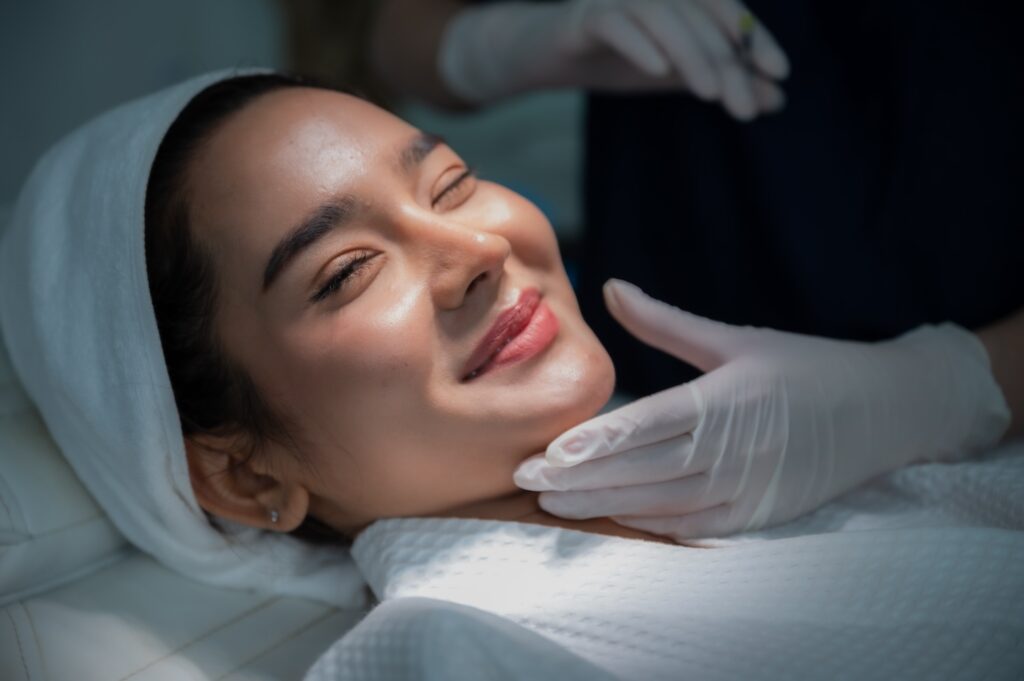
A professional acne facial is different from a traditional relaxing facial. These treatments are specifically designed for acne prone skin and are customized based on what your skin needs at that time.
Depending on your concerns, treatments may include deep cleansing, exfoliation, professional extractions, calming ingredients, hydration support, and targeted products.
Professional extractions can be helpful for certain types of congestion, including blackheads and closed comedones, when performed correctly.
Attempting extractions at home can lead to unnecessary trauma, increased inflammation, and a higher risk of scarring or post inflammatory hyperpigmentation.
Chemical Peels for Acne
Chemical peels can be an effective option for many acne concerns because they help support healthy skin renewal, improve congestion, and refine skin texture.
Depending on your skin type and goals, different peel formulations may help target:
- Clogged pores
- Excess oil
- Active breakouts
- Uneven texture
- Post inflammatory hyperpigmentation
Professional chemical peels are not about aggressively removing layers of skin. When performed correctly, they are a controlled way to encourage healthier skin renewal while supporting your overall treatment plan.
Microneedling for Acne Scars
Microneedling is generally not recommended during active, uncontrolled acne. Creating micro injuries in the skin while significant inflammation is present may increase irritation.
However, once active acne is under control, microneedling can be an excellent option for improving certain types of scars and uneven texture.
Microneedling works by creating controlled micro injuries that stimulate the body’s natural healing response and encourage collagen production.
It can help improve:
- Acne scars
- Collagen remodeling
- Skin smoothness
- Overall skin quality
For deeper or more complex scarring, combination treatments may provide the best results.
Medical Grade Skincare for Acne Management
One of the most important parts of long-term acne improvement, is having a skincare routine that is effective, realistic, and sustainable.
Medical grade skincare differs from many over the counter products because it contains clinically studied ingredients formulated to target specific skin concerns.
A successful acne routine should focus on:
- Keeping pores clear
- Reducing inflammation
- Supporting the skin barrier
- Preventing future breakouts
- Improving overall skin health
The goal is not to constantly fight your skin. The goal is to create an environment where your skin can function properly.
Frequently Asked Questions About Acne
Can stress really cause acne?
Stress doesn’t directly cause acne, but it can make existing breakouts worse. Increased stress raises cortisol levels, which can increase oil production and inflammation. It may also affect sleep, skincare consistency, and other habits that can contribute to flare-ups.
How often should I wash acne-prone skin?
Wash your face twice daily, with a pre-cleanse in the evening to remove makeup, sunscreen, and excess oil. Starting with a pre-cleanse allows your second cleanse to better remove impurities and thoroughly cleanse the skin instead of working through the day’s buildup.
Can moisturizer make acne worse?
A moisturizer won’t make acne worse when it’s right for your skin. In fact, moisturizing helps support the skin barrier, especially when acne treatments cause dryness and irritation. Choose a moisturizer that’s appropriate for your skin type and non-comedogenic by checking the ingredient list on websites like the one below.
https://acneclinicnyc.com/pore-clogging-ingredients/
Should I pop my pimples?
Usually, no. Popping a pimple can push inflammation deeper into the skin, increasing the risk of scarring and post-inflammatory hyperpigmentation. Professional extractions are safer because they’re performed with the proper technique and only on appropriate blemishes.
Does diet cause acne?
Diet doesn’t directly cause acne, but certain foods, particularly those with a high glycemic index or some dairy products, may worsen breakouts in certain individuals. Diet is just one piece of the puzzle alongside hormones, genetics, oil production, and skincare habits.
Is acne only a teenage problem?
No. Adult acne is very common and can develop even if you had clear skin as a teenager. Hormones, stress, medications, genetics, and lifestyle factors can all play a role.
Can sunscreen cause acne?
No. The right sunscreen won’t cause acne. Daily SPF is an important part of an acne treatment routine because it helps prevent post-inflammatory hyperpigmentation after breakouts. For many acne-prone patients, a lightweight, non-comedogenic mineral sunscreen is an excellent option since it’s less likely to irritate sensitive or inflamed skin.
Should I exfoliate if I have acne?
Yes, but moderation is key. Over-exfoliating can damage the skin barrier and increase irritation, often making acne worse. When used correctly, chemical exfoliants can help improve clogged pores and skin texture without unnecessary irritation.
Final Thoughts: Clear Skin Starts With Understanding Your Skin
Acne can be frustrating, but it can also be treatable, when approached correctly.
The first step toward improvement is understanding that acne is not one single problem with one simple solution. Different types of acne develop for different reasons and require different treatment approaches.
Whiteheads, blackheads, hormonal acne, cystic acne, acne mechanica, and fungal folliculitis all have unique causes. Identifying what is happening beneath the surface allows you to choose ingredients and treatments that actually support your skin.
The most successful acne plans are built around consistency, education, and personalized care. Instead of constantly switching products or following every new skincare trend, focus on understanding your skin and creating habits that support long term health.
Whether you’re dealing with occasional breakouts or persistent adult acne, understanding your skin is the first step toward creating a routine that delivers long-term results.
If you’re struggling with acne, frequent breakouts, or you’re unsure if your current routine is actually helping, we’d love to help. At 817 Surgical Arts, we can evaluate your skin, review your skincare routine, and recommend products and treatments tailored to your specific concerns. So, you can stop guessing and start seeing real results to a more confident you.