Wondering if a chemical peel is right for your skin? From dullness to dark spots, we’re breaking down what peels can help with, how the ingredients differ, and why fall can be a good time to get started.
Chemical Peel Season: Why Fall Is a Good Time to Refresh Your Skin
Summer may be winding down, but the dullness, uneven tone, and dark spots it leaves behind can linger. As we head into fall, you may hear skincare professionals calling it “chemical peel season.” There’s a practical reason: cooler months make it easier to protect your skin while it heals.
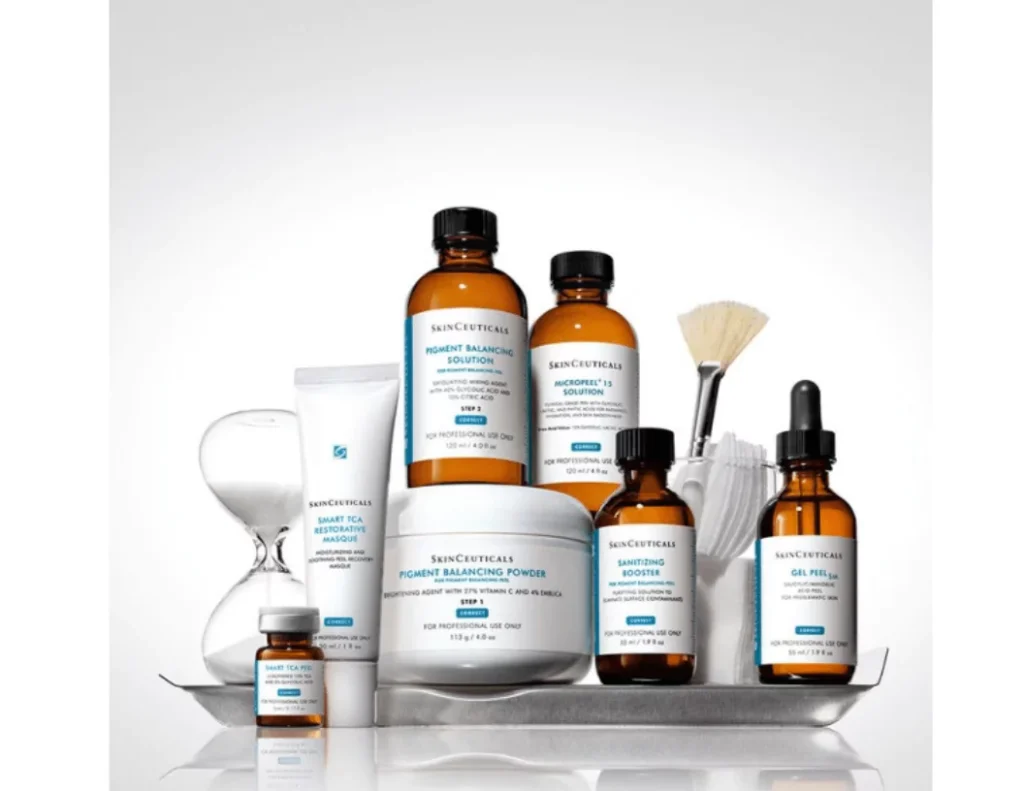
At 817 Surgical Arts, we offer professional SkinCeuticals peels selected around your skin concerns, skin tone, and recovery needs. Here’s what to know before deciding whether a peel belongs in your fall skincare plan.
Why fall and winter are often the best time
After a chemical peel, skin needs strict protection from sun exposure. Shorter days and fewer pool days or outdoor vacations can make that easier. Fall also offers an opportunity to address visible discoloration and roughness that became more noticeable over the summer.
The season itself doesn’t make a peel safer. Your sun exposure, skin condition, and ability to follow aftercare matter more than the month on the calendar. Peels can be performed year-round for appropriate patients, and Fort Worth sunshine doesn’t disappear when temperatures drop. Broad-spectrum SPF 30 or higher, shade, and protective clothing remain essential.
Winter has its own consideration: dry air and indoor heating can leave skin irritated. If your skin is already tight, flaky, or stinging, restoring its moisture barrier may need to come first.
What Can A Chemical Peel Help With?
A professional chemical peel uses a carefully selected solution to exfoliate the skin in a controlled way. Depending on the formula and treatment depth, it can improve:
- Dullness and rough surface texture
- Uneven skin tone and some sun-related dark spots
- Certain types of acne and clogged pores
- Discoloration left behind after breakouts
- Fine lines and some superficial acne scarring
Melasma may also benefit from a carefully chosen treatment plan, but it requires extra care. Irritation can worsen pigmentation, and peels do not eliminate the tendency for melasma to return.
A peel also has limits. It won’t lift significantly sagging skin, erase deep wrinkles, or reliably correct deep acne scars on its own. Those concerns may respond better to another treatment or a combination approach.
Different Types of Chemical Peels
Peels are often blends, so the name of one ingredient doesn’t tell the whole story. Concentration, pH, application time, layers, and your skin’s condition all influence how a treatment behaves. A higher percentage doesn’t automatically mean a better result.
Lactic acid: for dullness and surface roughness
Lactic acid is an alpha hydroxy acid, or AHA, that loosens the bonds between surface skin cells. It is often considered when the goal is smoother texture and a brighter appearance, particularly for skin that tends toward dryness.
Lactic acid can be a gentler option in an appropriate formula, but “gentle” does not mean suitable for every sensitive skin type. An irritated or compromised barrier still needs attention before exfoliation.
Mandelic acid: for uneven tone and acne prone skin
Mandelic acid is an alpha hydroxy acid (AHA) with a larger molecular size than glycolic acid, allowing it to penetrate more slowly. It can help improve uneven tone, rough texture, and certain acne concerns, and may be a gentler option for skin that doesn’t tolerate more intensive exfoliation well. As with any peel, the formula and your skin’s condition determine whether it’s appropriate.
Enzymes: for light surface exfoliation
Enzyme treatments, often using papaya or pineapple enzymes, help break down proteins in dead surface skin cells to reveal a smoother, brighter appearance. They typically provide light exfoliation with little visible peeling, making them an option for addressing dullness and mild roughness with minimal downtime. Although often considered gentle, enzymes can still cause irritation or allergic reactions, so your provider will assess your skin before treatment.
Glycolic acid: for uneven texture and tone
Glycolic acid is another AHA, commonly used to address dullness, uneven tone, fine lines, and certain acne concerns. Its small molecular size allows it to penetrate readily, so formula strength and application technique matter.
It may be a useful option for someone looking to improve both texture and brightness. Your provider will determine whether your skin can tolerate it and how much recovery to expect.
Tranexamic acid (TXA): for discoloration
Despite having “acid” in its name, tranexamic acid does not exfoliate like lactic or glycolic acid. It helps interrupt pathways involved in excess pigmentation and is used in some topical treatments for dark spots and melasma.
In a treatment described as a “TXA peel,” other ingredients generally provide the exfoliation while TXA supports the pigment-focused approach. The complete formula determines the treatment’s strength and downtime. TXA can also be part of a home skincare plan; its inclusion does not make a peel automatically appropriate for every person with melasma.
Trichloroacetic acid (TCA): for more noticeable resurfacing
TCA is used for controlled resurfacing to improve concerns such as sun damage, discoloration, fine lines, and some superficial scars. It can be used in superficial or medium-depth peels, depending on concentration, formulation, and application.
Some TCA treatments involve more visible peeling and recovery than a light AHA peel. They also require careful patient selection, especially for people prone to pigment changes. TCA is not automatically the best choice simply because someone wants stronger results.
Is a Chemical Peel Right for You?
A peel may need to be postponed if you have a sunburn, open skin, active infection or cold sore, or an eczema or rosacea flare. It may also be the wrong time if your skin is already irritated from products or another recent procedure.
Before treatment, tell your provider about pregnancy or breastfeeding, medications including current or past isotretinoin use allergies, cold sores, abnormal scarring, and previous pigment changes after treatments. These details help determine whether a peel is appropriate and which formula to use.
If you have upcoming travel with significant sun exposure, can’t follow aftercare, or need your skin fully healed for an event, waiting may be the better choice.
Darker skin tones can benefit from appropriately selected peels. They require a provider experienced in treating that skin tone because inflammation can cause additional discoloration. Deeper is not always better.
What should you expect afterward?
Depending on your peel, you may experience temporary redness, tightness, dryness, or flaking. Some light peels produce little visible peeling, and that doesn’t mean they didn’t work. More intensive peels require longer recovery.
Follow your provider’s instructions for cleansing, moisturizing, sun protection, and when to restart retinoids or exfoliating products. Avoid picking or pulling loose skin. A series of treatments may be recommended, with timing based on your skin’s response and the specific peel.
Choosing the Right Chemical Peel for Your Skin
The best chemical peel is the one that matches your skin and your goals. At 817 Surgical Arts in Fort Worth, we’ll evaluate your concerns and help you choose an appropriate SkinCeuticals peel and aftercare plan.
If summer left your skin looking uneven or feeling rough, fall can be a good time to start the conversation. Schedule a consultation to find out whether a chemical peel is right for you.