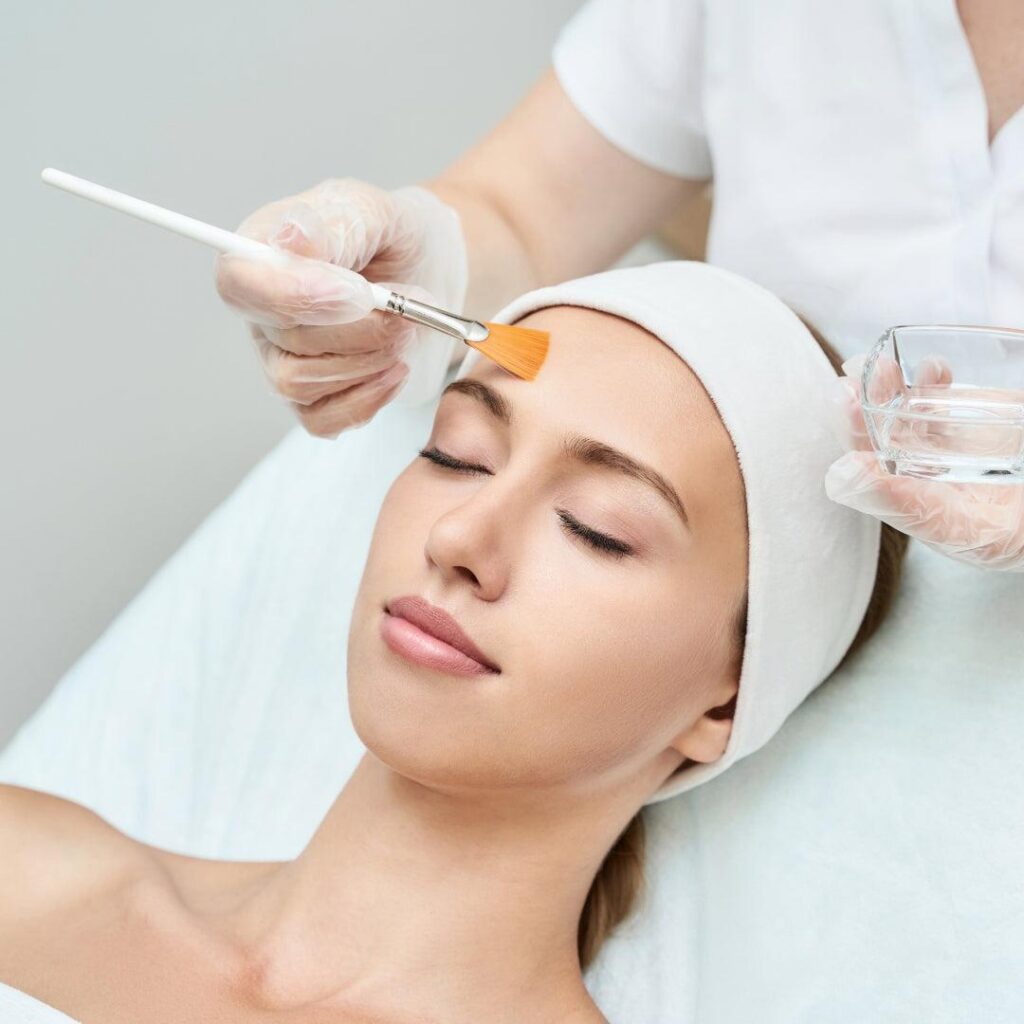
Chemical peels can do more than give your skin a fresh glow. The right peel can help clear congestion, improve post-acne discoloration, smooth uneven texture, and support a larger acne treatment plan. For deeper acne scars, targeted treatments such as TCA CROSS can take chemical resurfacing one step further.
Chemical Peels for Acne: Breakouts, Texture & Scars
When you are dealing with acne, it can feel like everything comes back to clogged pores, inflammation, and the marks left behind. Chemical peels can help address several of these concerns, but choosing the right peel matters.
Depending on the ingredients and strength used, a chemical peel can help remove dead skin buildup, improve congestion, smooth uneven texture, and support a more even skin tone. Some peels can also be used as part of a larger treatment plan for acne scarring.
The goal is not simply to choose the strongest peel available. Your type of breakout, skin sensitivity, pigmentation risk, and overall skin health should determine which treatment makes sense.
How Do Chemical Peels Help Acne?
A chemical peel uses a controlled chemical solution to exfoliate layers of the skin. Different acids work at different depths and can be chosen based on what we are trying to improve.
For acne-prone skin, that may mean helping clear dead skin buildup and congestion that contribute to clogged pores. Peels can also improve surface texture and discoloration left behind after a breakout.
The treatment should always match the concern. Someone with oily, congested skin may need something very different from a patient whose active acne is controlled but has post-inflammatory hyperpigmentation or uneven texture.
Chemical peels can be helpful, but they are not a cure for acne. Think of them as one part of a larger treatment plan rather than a replacement for a consistent home routine.
Which Types of Acne Can Benefit From a Chemical Peel?
Chemical peels tend to be most helpful when congestion and surface buildup are part of the problem.
Blackheads and closed comedones may benefit from exfoliation that helps keep dead skin cells from building up around the pore. Certain peels can also be helpful for mild inflammatory breakouts when chosen carefully.
If your main concern is post-inflammatory hyperpigmentation, a peel may help improve the uneven tone that remains after the breakout has healed.
Deep nodules and cystic acne are different. These breakouts develop deeper within the skin and may need medical or prescription treatment. An aggressive peel over significantly inflamed skin can create more irritation rather than solving the underlying problem.
Hormonal acne also deserves a bigger-picture approach. A chemical peel may help manage congestion, texture, or discoloration associated with hormonal breakouts, but it cannot correct the hormonal trigger itself.
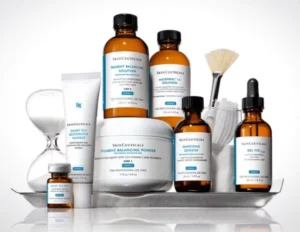
Choosing the Right Peel for Acne-Prone Skin
Not every chemical peel uses the same acid, and stronger does not automatically mean better.
The right choice depends on your type of breakout, skin tone, sensitivity, current skincare routine, and what we are trying to accomplish.
Salicylic Acid
Salicylic acid is oil soluble, which allows it to work within oily, congested pores. This makes it especially useful for blackheads, closed comedones, and acne-prone skin with excess oil.
It can help loosen buildup while providing exfoliation without relying on physical scrubbing.
Glycolic Acid
Glycolic acid is an alpha hydroxy acid that works primarily on the surface of the skin. It helps remove dead skin buildup while improving texture, dullness, and uneven tone.
For acne-prone patients, glycolic acid may be useful when congestion is paired with rough texture or discoloration from previous breakouts.
Lactic Acid
Lactic acid is a gentle AHA that exfoliates the surface of the skin while helping support hydration. It can improve dead skin buildup, uneven texture, and discoloration left behind after breakouts.
Because it is generally gentler than glycolic acid, it may be a good option for acne-prone skin that is also dry, sensitive, or easily irritated.
Mandelic Acid
Mandelic acid provides gentler exfoliation and may be a good option for certain patients who are more prone to irritation. It can help with congestion, texture, and uneven pigmentation while supporting healthy cellular turnover.
Its slower penetration can make it easier for some sensitive or acne-prone patients to tolerate.
TCA Peels
Trichloroacetic acid, or TCA, can be used for stronger resurfacing depending on the concentration and treatment technique.
Unlike lighter exfoliating acids, TCA can reach deeper layers of the skin. This makes patient selection, treatment depth, and professional application especially important.
TCA is also used in a very different acne scar treatment called TCA CROSS, which we will get into below.
What Should You Expect After a Chemical Peel?
Downtime depends on the type and depth of the peel.
A lighter peel may cause mild dryness, tightness, or flaking. Stronger treatments can lead to more noticeable peeling, redness, and sensitivity while the skin heals.
One of the most important things you can do afterward is leave the peeling skin alone.
Picking or pulling at flaking skin can cause unnecessary irritation and increase the risk of discoloration or scarring. Gentle skincare, moisturizer, and daily sun protection are especially important during recovery.
You may also need to temporarily stop certain active ingredients before and after treatment. Your provider should give you instructions based on the peel and the products you use at home.
How Many Chemical Peels Do You Need for Acne?
Chemical peels are usually not a one-and-done treatment.
Some patients notice brighter, smoother skin after one peel, but concerns such as recurring congestion, discoloration, and texture often respond better to a series.
The number and timing of treatments depend on the peel being used, your skin, and your goals. Mild and medium chemical peels may require multiple sessions for the best results.
I would rather gradually build results with a treatment your skin tolerates well than choose an unnecessarily aggressive peel simply because it sounds stronger.
Chemical Peels for Post Acne Marks
Sometimes the breakout is gone, but the reminder sticks around.
Post-inflammatory hyperpigmentation can leave brown or darker areas where acne previously occurred. These marks are different from true acne scars because the skin has changed in color rather than structure.
Chemical exfoliation can help improve uneven pigmentation and encourage more even-looking skin over time. However, pigmentation needs to be treated carefully.
Going too aggressive can create additional inflammation and potentially make discoloration worse, especially in skin that is more prone to post-inflammatory hyperpigmentation.
Daily sunscreen is also essential. Treating discoloration while allowing repeated UV exposure works against the progress we are trying to make.
Chemical Peels vs. Acne Scars
This is where it is important to separate discoloration from true scarring.
A flat dark mark left behind after acne may respond well to skincare and chemical exfoliation. An indented scar means the structure of the skin has changed.
Superficial chemical peels may improve overall texture and make some mild irregularities less noticeable. Deeper or more defined scars often need a different approach.
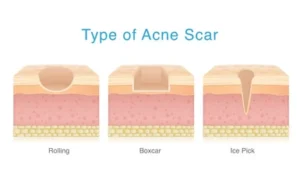
Acne scars can include ice-pick, boxcar, and rolling scars, and each behaves differently. That is why scar treatment should be based on the type of scar rather than simply treating the entire face the same way.
This brings us to TCA CROSS.
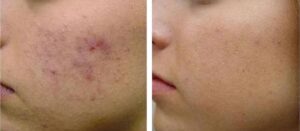
What Is TCA CROSS?
TCA CROSS stands for Trichloroacetic Acid Chemical Reconstruction of Skin Scars.
Despite using an acid found in chemical peels, TCA CROSS is not the same as applying a traditional TCA peel across the entire face.
Instead, a high-strength TCA solution is placed precisely inside individual depressed scars. The controlled injury stimulates a healing response and new collagen formation within the scar. Over time and with repeated treatments, the goal is to make the depression appear shallower and less noticeable.
Think of a traditional chemical peel as treating a broader area of skin. TCA CROSS is more like spot treating individual scars.
Which Acne Scars Respond Best to TCA CROSS?
TCA CROSS is especially useful for ice-pick scars, which are narrow, deep depressions that look almost as if the skin has been punctured. Research also supports its use for certain boxcar scars. It tends to be less suited to rolling scars, which often respond better to treatments that address tethering or a broader area of collagen remodeling.
Multiple treatments are usually needed because collagen remodeling happens gradually. A 2026 review of 34 publications found that repeated sessions generally produced greater improvement, while higher TCA concentrations also carried a greater risk of complications.
TCA CROSS should be performed by an appropriately trained professional. This is not an at-home acid treatment.
Treat the Acne Before the Scar
If you are still developing frequent active breakouts, controlling the acne usually comes before aggressively treating the scars.
Otherwise, we may improve existing scars while new breakouts continue creating new ones. Current dermatology guidance recommends treating active acne before beginning focused acne scar management.
Once the breakouts are better controlled, we can look at what remains.
For one patient, the biggest concern may be pigmentation. Another may have ice-pick scars that could benefit from TCA CROSS. Someone with broader texture changes may be a better candidate for RF microneedling or another resurfacing treatment.
Many patients have more than one type of scar, which means combination treatment may make the most sense.
Chemical Peels vs. RF Microneedling for Acne Scars
These treatments overlap, but they do different things.
Chemical peels primarily work through controlled exfoliation and resurfacing. They can be especially helpful for congestion, uneven tone, post-acne discoloration, and certain surface texture concerns.
RF microneedling creates controlled micro-injuries while delivering radiofrequency energy deeper into the skin. Its goal is to stimulate collagen remodeling, making it more appropriate for certain textural and atrophic acne scars.
TCA CROSS takes yet another approach by treating individual deep scars rather than resurfacing an entire area.
This is why I do not believe every acne scar should receive the same treatment. Sometimes the best plan involves more than one modality.
When Should You Avoid a Chemical Peel?
There are times when a chemical peel should be postponed or changed.
A damaged skin barrier, significant irritation, active infection, or very inflamed skin may need to calm down first. Your current medications and skincare ingredients also matter.
Recent sun exposure is another important consideration. Chemical peels temporarily make the skin more vulnerable, and sun exposure can increase the risk of unwanted pigmentation.
This is why the consultation matters. The goal is not just determining which peel you want, but whether your skin is ready for one in the first place.
Chemical Peels Work Best as Part of a Plan
A chemical peel can help clear buildup, improve texture, address discoloration, and support healthier-looking skin. What it cannot do is replace everything else involved in managing acne.
Your home routine still matters. Hormonal or severe acne may need medical treatment. Deep scars may need collagen-stimulating or targeted scar procedures.
That does not make chemical peels less valuable. It simply means we need to use them for the concerns they treat best.
At 817 Surgical Arts, we can evaluate your skin, type of breakout, pigmentation, and texture before deciding whether a chemical peel makes sense for your goals. If scarring is the bigger concern, we can also determine whether treatments such as TCA CROSS or RF microneedling may be more appropriate.
Start With Understanding Your Acne
Before deciding on a chemical peel, it helps to know exactly what you are treating.
Our Complete Guide to Acne breaks down the different types of breakouts, what may be causing them, ingredients that can help, and when professional or medical treatment may be needed. Understanding your acne first makes it much easier to choose the right treatment next.
If you are ready for a more personalized approach, schedule an appointment with 817 Surgical Arts so we can assess your skin and help determine which treatment makes the most sense for you.